
Winter Wedding Dress Guide 2026: 12 Smart Tips
Choosing a winter wedding dress should feel exciting, not stressful, yet cold weather, venue choices, and budgets can make the search feel more complicated than it needs to be. The good news is that a few smart decisions early on will save you time, money, and worry later. When you know which fabrics keep you warm, which silhouettes suit your venue, and how to plan fittings around the season, you can shop with confidence and enjoy every try on. This guide shares twelve practical tips to help you choose a winter dress that looks beautiful, feels comfortable, and fits your celebration perfectly.
1. Start With Your Venue And The Season
Your venue shapes your dress more than any trend, so begin by picturing where you will stand, walk, and celebrate. A grand ballroom calls for drama and structure, while a cozy lodge or garden venue suits softer fabrics and simpler lines. Use your venue and the expected weather as your first filter so every dress you try already makes sense for the day.
2. Choose Warm Fabrics That Still Look Elegant
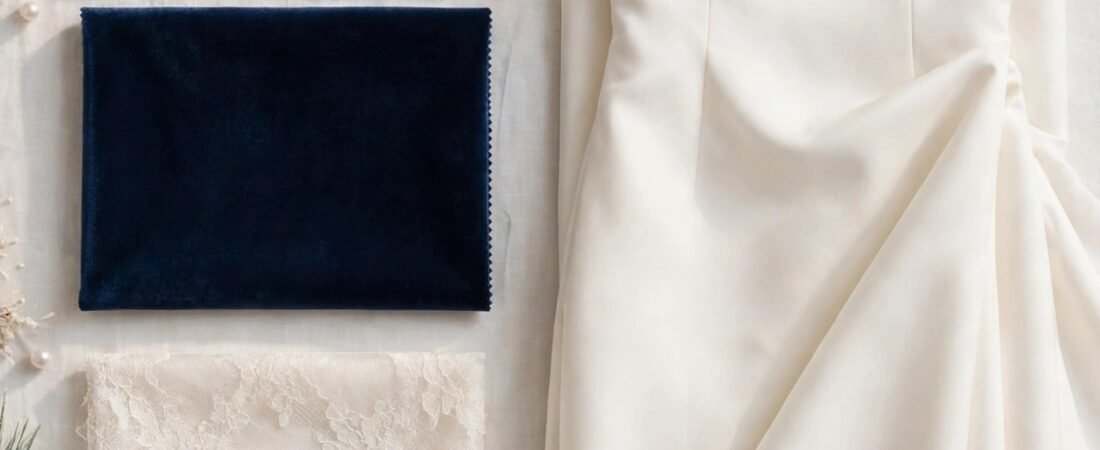
Velvet, heavy satin, mikado, and lined lace offer warmth without sacrificing bridal elegance. These fabrics hold their shape well in cold air and photograph beautifully under winter light. Ask boutiques which fabrics have a warm lining option so you gain comfort without changing the look you love.
3. Pick Sleeves That Flatter And Keep You Warm
Sleeves are the easiest way to add warmth and style at the same time. Long lace sleeves feel romantic, fitted satin sleeves feel refined, and sheer sleeves with applique feel light yet covering. Choose a sleeve length that lets you move your arms freely for hugging, dancing, and holding your bouquet.
4. Think Carefully About An Outdoor Ceremony
Outdoor winter ceremonies are breathtaking, but they demand a dress plan that includes warmth and practical footwear. If your vows will be outside, favour a gown with sleeves, a heavier fabric, and a cape or wrap for photos. Keep outdoor time joyful and short, and plan a warm indoor space nearby for guests and for you between moments.
5. Layer Smartly Without Adding Bulk
Smart layers hide under a gown and keep you warm without changing its silhouette. Thermal hosiery, a fitted bodysuit layer, and a warm wrap for photos can make a real difference on a cold day. Try all layers at your fitting so your seamstress can adjust the fit around them perfectly.
6. Choose A Silhouette That Moves Well In The Cold
Cold weather can make stiff fabrics feel less flexible, so test how your silhouette moves before you commit. A line, ball gown, and softly flowing sheath shapes all move gracefully if the fabric is well chosen. Walk, sit, and turn in each gown, and notice whether you feel free and relaxed rather than restricted.
7. Plan Footwear For Snow And Long Days
Your shoes will work hard on a winter wedding day, from snowy paths to long hours of standing and dancing. Closed toe shoes with a stable heel, good grip, and warm insoles are a wise choice. Bring a second pair of comfortable shoes for the reception so you can dance happily long after the formal photos end.
8. Set A Realistic Budget And Know Where To Spend
A clear budget keeps your search focused and helps you spend where it matters most to you. Decide early whether fabric, tailoring, or accessories deserve the largest share of your budget. Remember to include alterations, shoes, and a wrap in your total so there are no surprises close to the day.
9. Book Fittings Early And Bring Warm Layers
Winter is a busy wedding season, so book your fittings early and bring everything you plan to wear underneath. Bring your shoes, hosiery, and any wrap or cape so each fitting reflects the real day. Early fittings also give your seamstress time to perfect sleeves, linings, and hems without rushing.
10. Match Accessories To Winter Light
Winter light is soft and golden, and your accessories should shine gently within it rather than compete with it. Pearl earrings, a delicate hairpiece, and a simple veil often look more elegant than heavy sparkle in daylight. For an evening wedding, you can add a little more shimmer to match candlelight and festive decor.
11. Plan For Photos In Snow And Low Light
Talk with your photographer about snow, early sunsets, and indoor backup locations before the wedding day. A dress with a train that lifts easily, a wrap for outdoor shots, and shoes that grip well will make photos smoother. Share your photo priorities early so your photographer can plan light, locations, and timing around your dress.
12. Keep A Warmth Kit Ready For The Day
A small warmth kit can turn a chilly moment into a comfortable one without fuss. Pack hand warmers, a soft wrap, a lint roller, and a spare pair of warm socks for between photos. Assign the kit to a bridesmaid so you can enjoy the day knowing comfort is always close at hand.
How to Plan Your Winter Dress Search Step By Step
- Write down your venue, date, budget, and comfort needs before you visit your first boutique.
- Try a range of fabrics and silhouettes, even ones you did not expect to love, to learn what truly suits you.
- Photograph each favourite gown in natural light and review the photos calmly at home before deciding.
- Confirm alterations, delivery dates, and fitting appointments in writing so nothing is left to chance.
- Do a final comfort check in full wedding attire, including shoes and layers, at least two weeks before the day.
FAQ
What is the warmest fabric for a winter wedding dress?
Velvet and heavy satin are among the warmest bridal fabrics, especially when paired with a lined bodice and long sleeves. A cape or faux fur wrap adds even more warmth for outdoor photos without changing your gown.
How far in advance should I order a winter dress?
Order eight to ten months before your wedding if possible, since boutiques and seamstresses need time for production and alterations. If your timeline is shorter, ask about sample gowns or rush options that still allow proper fittings.
Should my budget include alterations?
Yes, always include alterations in your budget, since hems, sleeves, and bodice adjustments are a normal part of achieving a perfect fit. Ask your boutique for a realistic alterations estimate at your first appointment.
Can I wear a strapless dress in winter?
Yes, you can, if you pair it with a beautiful cape, wrap, or jacket for outdoor moments and cooler parts of the day. Indoors, a warm venue and dancing will keep you comfortable, and your wrap gives you flexibility.
How many fittings will I need?
Most brides need two to four fittings, depending on the complexity of alterations and the number of layers involved. Your seamstress will guide you, and early fittings make the whole process calmer and more enjoyable.
Conclusion
A smart winter dress choice comes down to knowing your venue, choosing warm and beautiful fabrics, planning your budget honestly, and giving yourself time for thoughtful fittings. When those pieces fall into place, shopping becomes a joyful part of your wedding story rather than a source of stress. Trust what feels comfortable and beautiful on you, lean on your stylist and seamstress, and look forward to a day that is warm in every sense. Your perfect winter dress is waiting, and it will help you celebrate love in the most beautiful season of all.